The word cloud is constantly used to describe the Internet as a collection of computing resources, networks, services, and infrastructure. This term is meant to be an all-encompassing description of the Internet because unlike any other service, the other services do not rely on any device to provide an on-going service.
Cloud computing services are commonly divided into three categories: platform as a service (PaaS), infrastructure as a service (IaaS) and software as a service (SaaS). The first category includes software that is installed directly onto a person’s computer. An example of this type of service is Windows or Office as an integrated whole package that can be used by the end user.
The second category includes infrastructure-based services that include virtualized hardware resources, such as servers, routers and firewalls. The type of service depends on the type of operating system or application and whether or not the hardware can operate independently.
The third category includes application-based services that are distributed via Internet and involve some technology that requires user involvement, such as using a personal computer to access information.
The overlapping of these categories means that cloud computing can be categorized based on the services that it provides. Different cloud providers focus on different categories, creating and maintaining different cloud services for use by different groups and individuals.
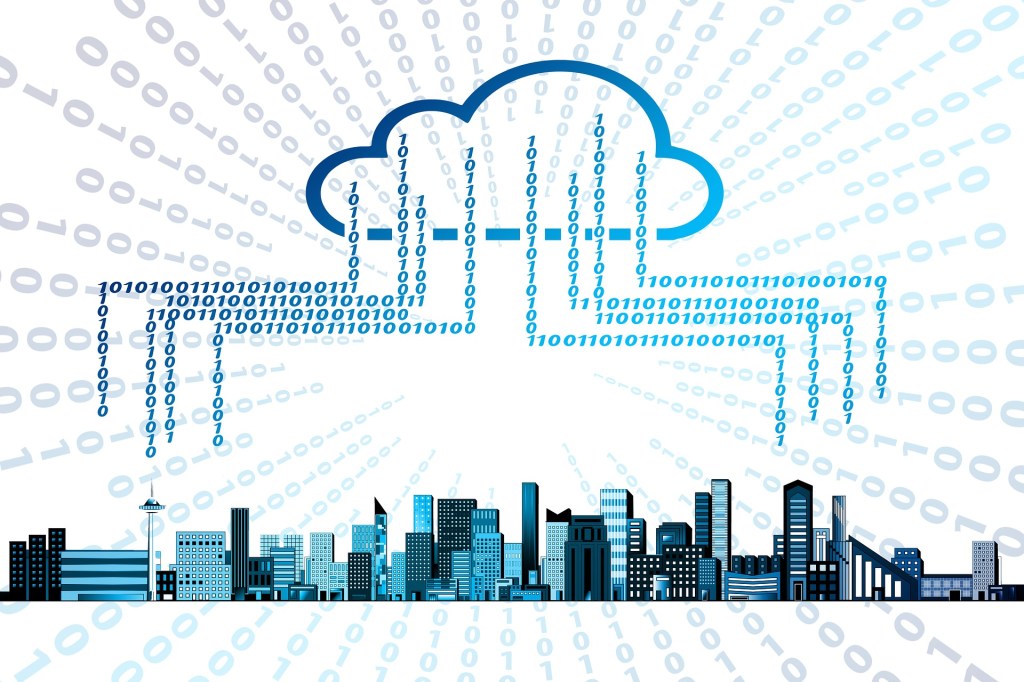
Cloud Computing for Residential Use
If you use cloud computing for your home, chances are that you’ll be familiar with the ways that the technology works. If you use online banking, you’ll find that it’s very easy to do so using a bank’s online banking site. You’ll also find that integration with your home office computer or laptop is very easy. Many people find that the cloud computing services that they use the most often require no configuration at all, simply by accessing the necessary software through the web.
Because that’s the case, you can make your home a cloud in a matter of minutes, rather than needing to swap the hard drive from another computer. If you need more control than that, you can configure the system with higher or lower limits for the number of people who can log into the system using the My Cloud tab.
Cloud Computing for Small Business
If you use a handful of computers at your house or business, you may not need to worry about VPNs or private data centres. Some cloud services, such as Apple’s iCloud, simply provide users with a private cloud-based network. This means that you can share and access the files and applications that you need, but don’t have to add up to a ton of complexity around the process. If you’re looking for a cloud service, whether for your home or your office, you can stop worrying about whether it’s appropriate and start enjoying the benefits.
How Do You Get Cloud Computing Services
Cloud computing can be a real driver for businesses, whether you use the software or the hardware infrastructure to deliver cloud services. If you’re running a simple setup on your own, you can even save some money by setting up the service on a infrastructure as a service.
Infrastructure as a service is essentially offering your data storage and computing capacity to whoever you authorize. Rather than managing your own data center or bespoke server only to make sure that it’s available whenever you need it, you’re letting the service provider take care of all those needs for you. It’s a form of upon-demand IT and helps to cut back on the huge capital expenditure that comes with hiring staff to manage your data center.
The benefit of infrastructure as a service is that it doesn’t tie you down to a lengthy contract. You don’t have to wait for the contract completion and you don’t have to pay for what you use. It’s as simple as that. You’re not tied to a single company and you don’t have to wait for your IT infrastructure to be built around your business.
This flexibility means that you can significantly increase your downtime and save millions of dollars by eliminating unnecessary hardware and contracting out your IT needs.
SaaS (Software as a Service) allows you to use the infrastructure of a service provider – such as your hosting service – without installing anything. The infrastructure can be configured and adapted to your company’s needs without you having to impact your daily functions.
What is Managed Services?
Many cloud computing providers offer Managed Services, which is simply a component of their cloud computing package. Managed Services allows you to pay a monthly fee for an agreed amount of Managed Services. For example, you can choose to pay a monthly fee of $20 for 200 GB of monthly data storage, or you can choose to pay the fee of $27 for unlimited storage. Anytime you choose to pay a fee, you’re choosing to pay more than the ounce.
 Amy's Thought Corner