It is vital to maintain proper oral health during pregnancy since it is during this time that your health is on the line a lot. Pregnant women require extra care with their oral health since they are more likely to experience pregnancy gingivitis which if left untreated brings about a number of health problems such as pregnancy tumors or pyogenic granulomas. This being said it is also important to note that pyogenic granulomas are cancerous tumors that can be quite hazardous to life.
Pregnancy hormones play a large role in maintaining proper oral health. Healthy gums and teeth are more likely to be visible in pregnant women during pregnancy because the increasing concentrations of hormones make their gums more sensitive to irritation. It is imperative for the pregnant patient to maintain a healthy mouth because the increasing concentrations of hormones put their body at a risk of developing additional diseases which could include pre-term labor, heart disease, diabetes, and adverse pregnancy pregnancy pregnancy outcomes.
During pregnancy most women tend to be more aware of the need to take extra care of their dental health. However, it is still important to note that during pregnancy there are no commercially available dental suppressants that can forestall the onset of pregnancy gingivitis. This being said, a woman needs to be diligent in their dental hygiene regardless of the stage of their pregnancy.
There are a few recommendations a dentist will give you that will help you get over the first trimester and into the second trimester. The dentist will recommend more thorough teeth brushing during the second trimester as compared to the first. He will suggest that you use a soft bristle toothbrush and spend an additional 2-3 minutes brushing effectively at least two times a day. He will also recommend a product with fluoride where you brush your pregnant teeth.
He may also recommend that you use floss at least three times a day or after every meal. Flossing keeps the pregnant muscles and gums free of debris and promotes a healthy pregnancy. He may also recommend that you do not eat spicy or hot foods and beverages.
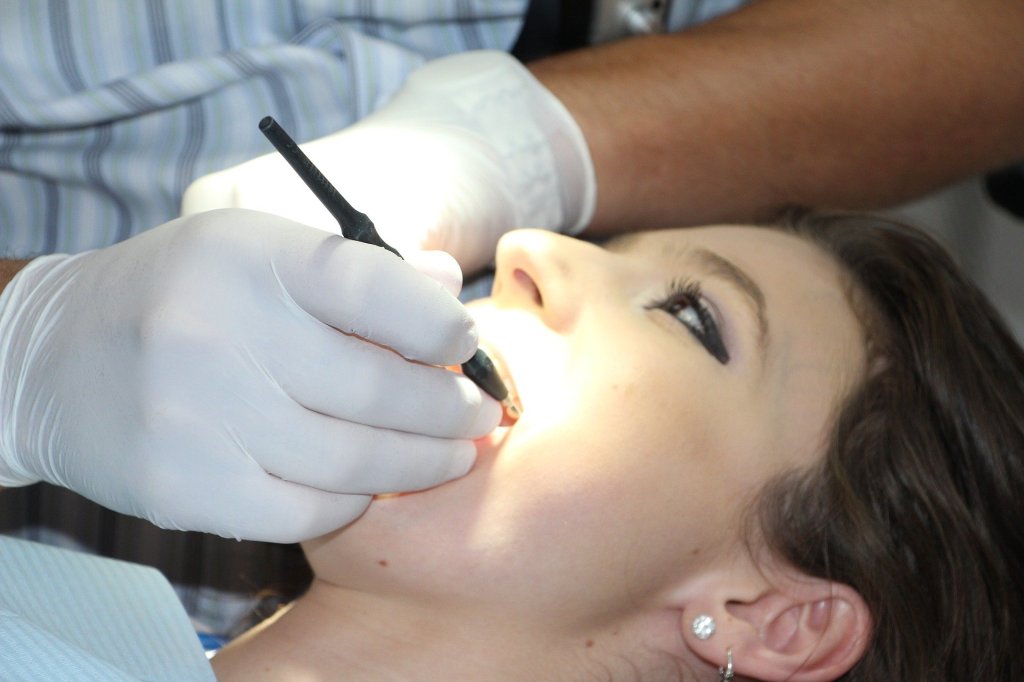
A woman going into labor may experience Severe Pre-Elimination Sedation which is characterized by depressed mood and poor self-esteem. Dentists using moderate sedation may be able to reverse these symptoms and the patient retains their natural appearance.
Dental health is paramount during pregnancy and the developing baby. A woman should renew her dental health every six months, or preferably before or after delivery of the baby.
Most dentists will recommend that expectant mothers have a dental health check and list of foods to eat before becoming pregnant. This is important because pregnant mothers have a tendency to eat from all angles, especially with sugary foods.
There are times when dental treatments may prove painful so it is important to discuss all the discomforts suffered with your dentist so they can provide the right advice.
Following a healthy diet is important during pregnancy. This helps in the development of your baby’s teeth and helps in the mother’s overall health too.
Prompt dental hygiene is important during pregnancy because food and drinks can stain your teeth. Food products like tea, coffee, wine and other acids can cause stains to your teeth. Although all these products provide essential nutrients that your body needs as they are absorbed by your body through your diet, never disregard the importance of visiting your dentist.
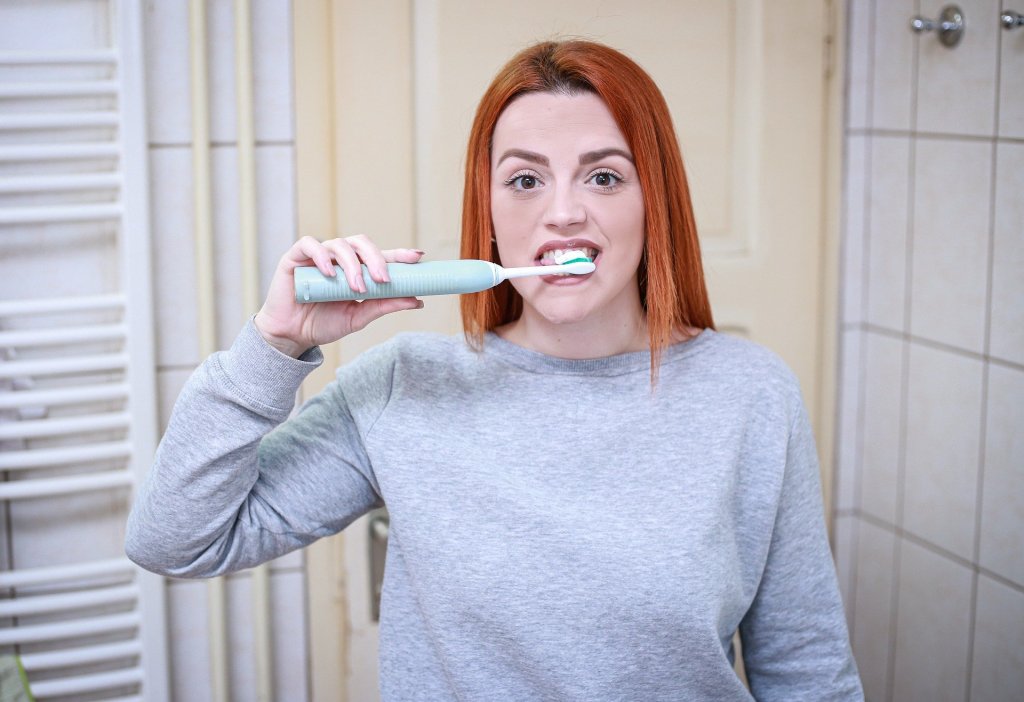
Regular dental hygiene is also important because it prevents gingivitis, tooth decay and gum disease. It is ideal to brush your teeth after every meal. If this is not possible, you should at least try to brush twice a day.
Gingivitis (which I have mentioned a few times before in this article) is a quite common pregnancy problem. This occurs due to the increasing concentration of the bacteria in your mouth. In worst cases, it can cause your gums to bleed and become swollen. Pregnancy gingivitis can be cured easily and relatively painlessly by your dentist.
Dental problems can also arise due to the changing hormone level in your body. This is mainly because of morning sickness that you experience during the first trimester of your pregnancy. The higher level of pregnancy hormones cortisol can cause your gums to become soft and swollen.
It is important to discuss all the discomforts that you are experiencing with your dentist. They can help you in treating these problems before they aggravate.
Another unusual pregnancy symptom is swelling of the lymph nodes of the neck. However, this is not a serious medical condition and is more commonly seen during women who are lactating mothers.
If lactating, you should inform your dentist about your condition as it is disruptive to your pregnancy.
 Amy's Thought Corner