Inflammation is a natural response of the body to an internal or external irritant, environmental problem or threat. Normally, the body’s immune system protects the body from injury by secreting inflammation if the body perceives any damage or danger. Certain conditions however, can cause the immune system to malfunction, resulting in excessive inflammation when there is no threat to the body. Without ongoing inflammation, the body can suffer damage such as wear and tear, traffic congestion, environmental pollution, acute stress, acute trauma, dehydration, food allergens, toxic overload, prolonged illness, and more.
Causes of Chronic Inflammation
Non-organic, non-discriminating injuries are the cause of chronic inflammation. comprised of varying sources such as untreated fungal and bacteria infections, malnutrition, nutritional deficiencies, exposure to toxic chemicals, excess use of NSAID’s, and others.
will more than likely be chronic inflammation, but slowly with time this type of inflammation may decrease to a low level. It is also believed that many chronic conditions are the result of long term, low quality deprivation living, and this can become chronic inflammation.
Most of those suffering from chronic inflammation though have no idea that it is occurring. In fact, it is often ongoing and often in the company of other problems that may create a double-painful situation for the patient.
Diagnosis of Chronic Inflammation
While many forms of treatment will help reduce the inflammation, many are not able to completely eliminate it altogether. In these cases, it is imperative that patients reduce the size of the edemas to manageable levels, while simultaneously adopting strategies to eliminate it altogether.
atinophilic septal defects (ASD) is an inflammatory disorder of the septum. It is a thickening of the inner lining of the nasal passages and can be quite debilitating to patients. Symptoms include nasal congestion, facial pain, chronic sinusitis, radiology findings of irritation, and often significant airflow problems. Once again, alleviating this issue will alleviate inflammation.
Many patients that have optic nerve problems, such as glaucoma, endometriosis, and macular-colepsy often encounter symptomatic inflammation. Potential causes of such problems are unknown. In these cases, inflammation is often self-limiting in nature and may go away without treatment. However, once again, treatments are available in order to helpients control inflammation.
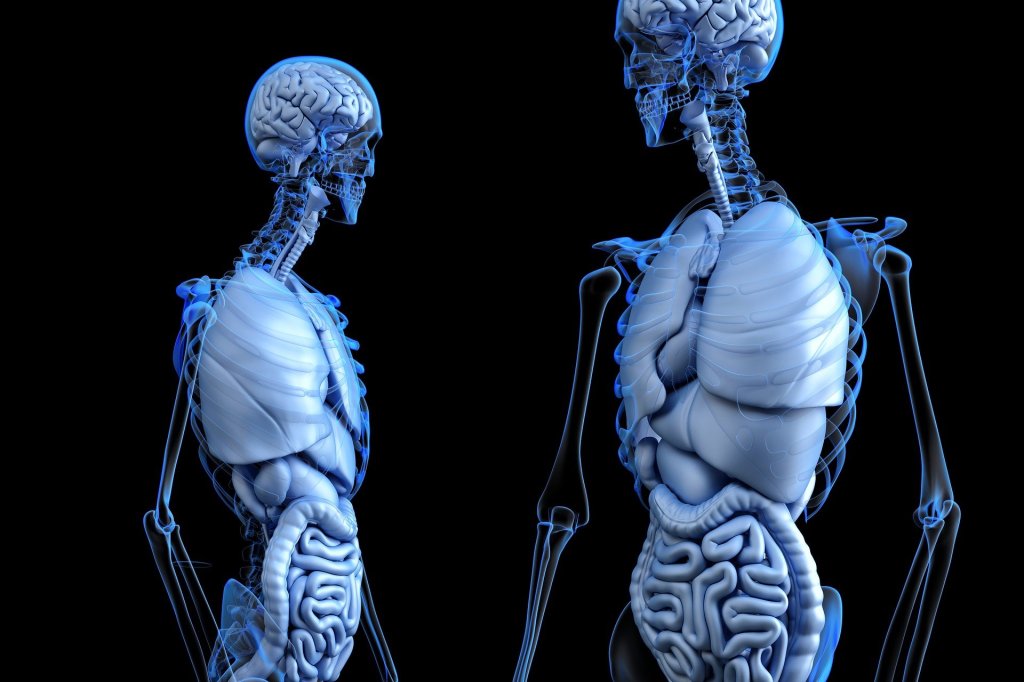
How Does Chronic Inflammation Develop?
Non-organic, non-discriminating ConditionsOf concern, the use of steroid and asthma medications, and even pain medications can exacerbate inflammation. Therefore, it is essential that patients avoid these substances during flare-ups. It is also imperative that patients be careful with the dosing that is administered during periods of flare-ups.
What to do for Chronic Inflammation?In order to limit inflammation, it is important for patients to limit the use of NSAID’s, corticosteroids, and extend periods of remission from their prescriptions. There are many anti-inflammatories that are taken on a daily basis. These include possesses a list of some regularly used anti-inflammatory drugs,amine used to fight allergies, steroids known for their anti-inflammatory properties, as well as aspirin.
People suffering from lower back pain are also encouraged to reduce inflammation there, as well.By reducing inflammation, your pain may be relieved. Next, focus on maintaining a healthy diet. Eat foods that may reduce inflammation, as well. Focus on getting a number of servings of fresh fruit and vegetables each day. Limiting sugar is also a good way to reduce inflammation. For those that may be hard of hearing, it is important to reduce your consumption of processed foods.
What Can I do to Prevent Inflammation?When considering controlling inflammation, it is important to consider all aspects associated. In particular, it is important to keep your weight under control. Being overweight contributes to inflammation. It is also important to be sure to regularly exercise, as exercise improves circulation and can lessen inflammation by eliminating free radicals that can cause damage to blood vessels. Always follow your doctor’s recommendations regarding any lifestyle changes.
What Can I do to Eliminate Inflammation after Surgery?If you have undergone a surgical procedure in the past six months, you may want to abstain from aspirin and ibuprofen. These medications are a good source of anti-inflammatory pain medication and they can significantly contribute to decreasing inflammation afterward. This is especially true for those who undergo gall bladder surgery.
ConclusionAn accurate assessment of lifestyle is important to determine whether you have or are beginning to suffer from Chronic Fatigue Syndrome or Chronic Fatigue Immune Dysfunction Syndrome. Being aware of your condition is critical.
 Amy's Thought Corner