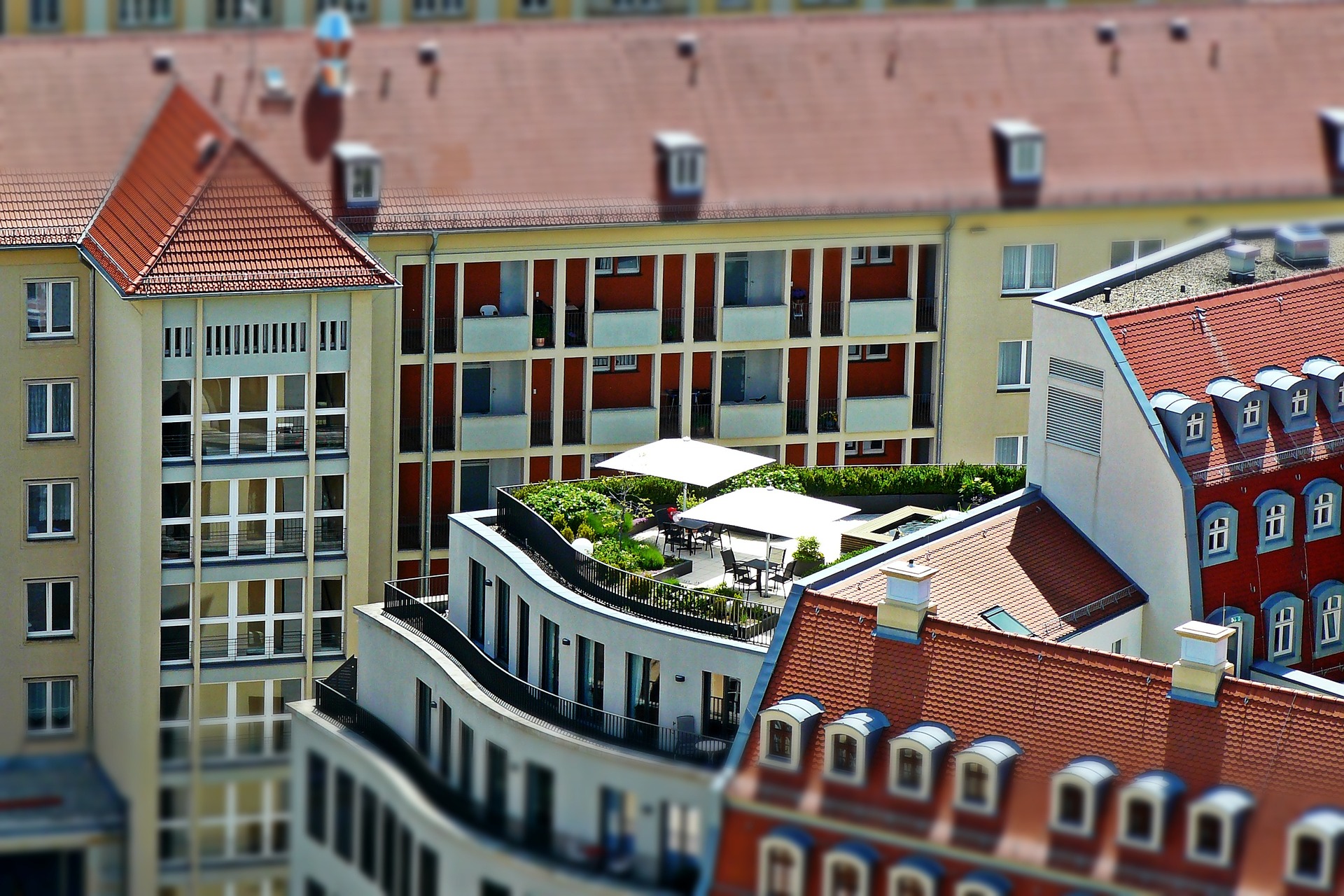
A roof garden is a type of garden situated on a roof of a building. Ever since, humans have developed a fondness to growing plants on top of structures. Aside from the decorative benefits, these roof plantings actually provide temperature control, food, and habitats for wildlife, along with recreational opportunities and architectural enhancement. In certain cities, due to the lack of gardening areas, many resort to roof gardens.
This type of garden can be on top of building, taking care of its own waste and water supply. With hydroponics, and other methods, you are able to expand the numerous possibilities of gardening on roof tops. A good way to accomplish this is by reducing the tremendous weight or soil needed. This is why planting in containers are prevalent in these gardens. Pots may be too heavy for the roof and cause ceilings to leak.
Living in small-sized apartments should not hinder you from having a garden. You can have vertical gardening or square foot gardening. Vertical gardening is planting with the use of your living walls. It uses lesser space than the traditional square foot gardening method.
Before starting, it is important to till, weed, and eliminate any pests. Also recycle by composting. In fact, for small apartments, having a Bokashi type of compost system is far more practical as compared to conventional composting. The safest type of compost is the manure derived from vegetarian animals.
In this busy world, most people find solace from nature. If you are too tired to take strolls in the park and you cannot go to nature trails all the time, having a garden at home, specifically in your terrace is the best solution to this dilemma. Hence, terrace gardening is a kind of indoor gardening that entails taking care of indoor plants.
Follow some tips in roof gardening. Your roof needs to be strong enough to carry the garden’s weight. Also check for an efficient drainage system. And lastly, make sure there are no water leaks.
For terrace gardening, keep proportional the shrubs, lawns, small trees and ground covers. You can also enliven your garden corner with rocks and other naturalistic designs.
After this, you need to choose the kinds of plants you want. Fiber-rooted plants are better than tap-rooted plants. This is because tap-rooted plants can grow into the building and harm the structure.
For the soil, get the type that will not exert pressure onto your building. Peat moss and soil rite are good options. Since these are a bit expensive, you can mix it with manure and garden earth.
For your artificial garden, you will need to pay attention to the weather conditions. You will need to get a few containers that are deep enough. Afterwards, you will need to fill them with some rocks and peat moss. This will provide the drainage needed.
After this, you will need to reward yourself with a selection of edible-plant life. Miniature versions will do well, as these add texture to your meals. Home-grown herbs will also do well indoors. You may also choose from among herbs that are fresh, useful and usually very cheap.
Making arrangements for your mini herb garden is easy. Start by installing the proper drainage in each pot. Pots should be kept moist yet not too wet. Small pots will dry extremely fast, so be careful how often you water them.
If you live in a classy apartment block, you will have the advantage of having the entire building to yourself – except the next block over. Perhaps you can devise a small garden in a one-rise apartment. If you only have a small balcony, you can start a mini herb garden in a hanging pot.
Starting an herb garden in a classy apartment is a good way to maximize your space. It is a lot of fun to do – well, not to mention the benefits to the both of you. Can you imagine dinner in a one-star apartment with absolutely fresh herbs prior to dessert?
If you do not have a garden, perhaps you can scrounge some herbs and attempt to grow them. This is a good way to introduce gardening to your children, as they are sure to want to taste the results of their labors. I found myself teaching my daughter to grow a bed of basil. It is very easy, I just make a hole for each stem and plant three or four stems together. It is fairly easy to find fresh herbs at the grocery store, so you probably do not need to spend any money on seeds.
My favorite part about planting in a classy apartment is the ability to garden year-round. I like the smell of the fresh herbs helping me to sleep.
This do not have to be an expensive endeavor.
 Amy's Thought Corner