Whether you’re trying to grow your own food for health reasons or you want to try your hand a little creative gardening, planter garden varieties will give you the ideas you need to create a garden that is all your own. Whether you’ll want to plant herbs, vegetables or flowers, these planter garden boxes will allow you to grow the sorts of plants you want.
Before you try your hand at growing your own Planter Garden designs, it’s a good idea to decide exactly where you want to place your plants and how you want to care for them. Of course, you don’t have to worry about transferring your plants outdoors if they’re going to be planted in a container, but you can easily move them from planter to planter if you want.
It’s a good idea to research the plants you want to grow and find out just how much sun they need. If they need full sun and you live somewhere warmer than where you currently live, you may have to pick a different spot or create a covering to protect them from the Shade Loaths.
If you want to grow different plants, it’s a good idea to make your own soils. This way you can combine the various types of soil to guarantee the best performance.
It’s also a good idea to wing it with a friend. Ask for some tips from experienced gardeners. Also, you can buy some useful garden advice at the garden shop whenever you’re stuck for ideas.
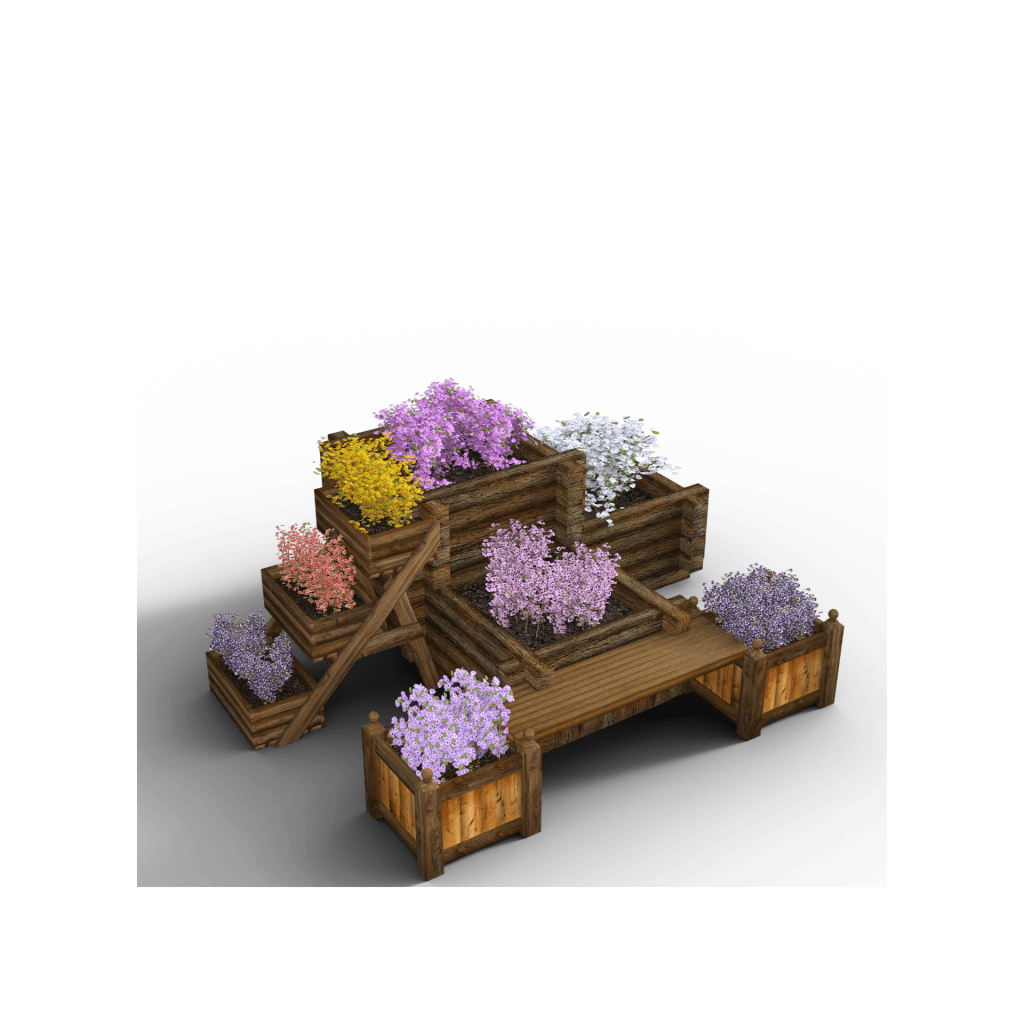
Decide on the style of your garden. From traditional English gardens to tropical gardens, there’s an endless choice of designs. Your taste and what you want the overall effect to be should help you decide.
Planning your garden
There are a few things you need to decide before you begin. You must decide if you’re going to plant a vegetable garden or a flower garden. Also, you must decide if you want to have a small lawn in the front garden or a large lawn in the backyard. &; decide how many plants you will be able to grow. It is easier to buy varieties that are flowers. It is harder to grow vegetables if you plan on raising the vegetables in a large plot in the backyard.
You must decide how many varieties of each plant you are going to plant. If you only want a few plants, you can only plant a couple of varieties. If you want an extensive display, you may only want a couple of plants of each. &; decide how many colors you want in your display. It is easier to buy varieties that are colorful. It is harder to have a truly diverse landscape if you’re only planting a single color of bush.
You must decide whether you want to plant tall growing plants in the back of the garden or small trailing plants along the borders. There are plants that grow well in the shade but provide an interesting cross between the two colors. Some plants require a lot of sun. Often, the ones that grow best in the shade are the ones that keep their leaves all year long.
There are also plants that prefer lots of moisture and others that prefer dry conditions. You may need to do some research in order to find out what plants prefer the conditions of where you live.
Planting your garden
Before you start planting, you need to decide where you’re going to place your plants. While some plants can survive with less soil, often, plants grown in containers require more soil than plants in the ground.
You will need to place your plants in a spot where they will be comfortable for several months. It doesn’t matter where you place them on the surface of the ground-soil or on a deeply dug hole-the plant will eventually grow where you put it.
Most plants come in a small pot size, but there are some that grow exceptionally well in a large pot. Usually, the plants that will be growing best in large pots are the ones that grow to a large size naturally.
Consider the spot you have. Is the spot sunny or shady? Large plants requiring a lot of sun don’t do well in a shady spot. Therefore, this plant would probably not do well if you decided to plant it in a shady area. Wherever you choose your location, keep in mind that plants require at least six hours of direct sunlight.
Once you’ve chosen your location, it’s time to start digging. It is key to this process, to ensure you are doing things correctly. If you are hauling a lot of dirt, you may want to consider a tarp. You may want to make sure you have an ample supply of mulch to help the soil remain moist as you dig. As you dig out the old plant, take as much soil as you can.
 Amy's Thought Corner