Today, we all have understood that cosmetic dentistry has far greater benefits than it used to. However, many people are still reluctant to go for it because of its cost. Although costs vary on different dental procedures, on the whole, it is nowhere as expensive as the prices quoted by some dentists. In any case, current dental insurance policies can usually be categorized under cosmetic dental procedures and thus, may not cover the entire expected cost.
As it is, cosmetic dental implants are expensive, making it hard for some people to afford them. Aware of this, most researchers andists for hire are expanding their services, and certainly, their prices are coming down. In fact, one could almost find any cost within the range of one thousand dollars.
There are basically two types of procedures under cosmetic dental implants: replacement of the whole tooth or just the cap for a tooth, which is removed after a few weeks. The former involves the replacement of the entire tooth, which is impractical, especially when the bad tooth is just a small one or a single cusp. To deal with such a case, you may have to consult a living history dentist or a specialist for that matter.
On the other hand, a cap for a single tooth is easier than a dental full mouth reconstruction. For this case, the dentist usually removes only the bad tooth and leaves the rest of the teeth in the original condition, so you have a better chance of finding a solution that works for you.
They are both solutions that involve the replacement of missing or broken teeth. The first procedure is the replacement of the whole tooth, while the second procedure is just a cap for the tooth. These two procedures are usually done together since they involve the same kind of work.
But you may just do one of the two procedures by itself and still maintain the same result. This is useful if you just need a single tooth replaced but you don’t mind the operation for multiple teeth. Also, you needn’t do a separate consultation for each tooth that needs a cap. It’s better to make sure that you’re getting the cap for just one tooth to save money.
Getting the caps has three basic steps:
First, you will have the dentist remove the broken or decayed tooth that has tooth decay. This is done by Root planing, another popular and much-talked about procedure in cosmetic dentistry. After the tooth decay is removed, the dentist will fill the cavities using amalgam, composite, or porcelain, depending on the preference of the patient. In some cases, there is no filling, but instead a glaze that is tooth-colored that may look like the original tooth.
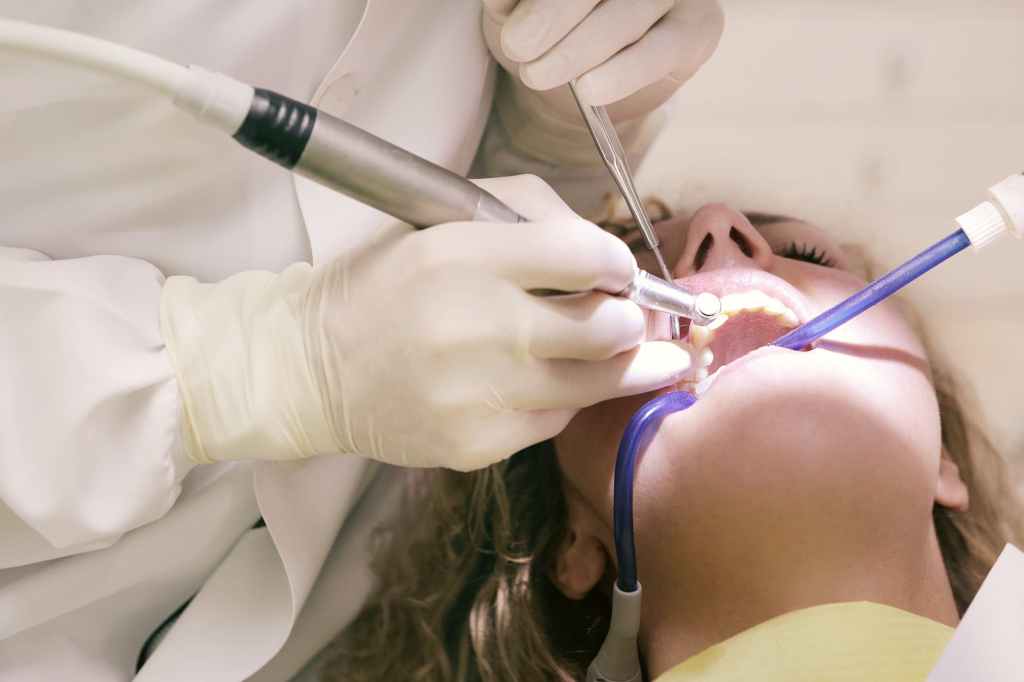
For the caps, the dentist makes an impression of your tooth and a mouthpiece like the patient’s own custom-made one, only better. Making the mouthpiece will enable the dentist to form the perfect shape of the cap that will fit best with your tooth. A mold is taken, and the mouthpiece is sent to the lab where the actual cap is made. On the return trip, the dentist applies the cap to your tooth and fits it with a special adhesive to make sure it stays in place. After a few days, he visits the dentist office again to remove the cap and check the feel of it in your mouth.
Care for caps
With the proper care, caps can last anywhere from seven to eleven years. Proper care starts with removing the cap before eating anything. Don’t bite on it, chew on ice, or grind your teeth because the constant presence of the cap can damage the glue and/or the metal structure. Caps are delicate, so handling them sensitively is best.
Most people with caps only need one visit to the dentist’s office, provided they take care of them properly. Caps are made of a special type of plastic that can withstand everyday use. When caps are initially placed, they may feel a little rough and they may turn people away when you talk or laugh. Because they are generally made of plastic, dentists can easily adjust them if the fit or comfort level does not feel right with time.
If you have teeth that are missing, consider dental implants or tooth implants. They have many benefits over traditional dentures and you will not feel a difference between them and your natural teeth. Dental Implants have replaced more than 12 million lost teeth since they were first introduced and have helped preserve the bone.
Tooth implants act like natural root of the tooth by using a titanium post which is drilled into the jaw bone. The bone then connects to the jaw bone through the gum tissue.
Bone growth and tissue healing will determine how long the cap will last. Quality of the bone will also determine how long the cap will last. With proper care, most implants last for decades.
 Amy's Thought Corner