Paracetamol, or acetaminophen, is a popular over-the-counter medication used to temporarily reduce pain and fever. It is marketed under various brand names such as Tylenol, Panadol, and FeverAll. What may surprise you is that paracetamol is derived from a natural pain reliever known as pyroxicamal, which is derived from the bark of the willow tree.
Different cultures and locals have been making use of the tree bark for centuries. In many parts of the world, it is used in a similar fashion to paracetamol as an antipyretic. Paracemol is made by combining two chemicals, Acetylsalicylic acid and C8H10O4.
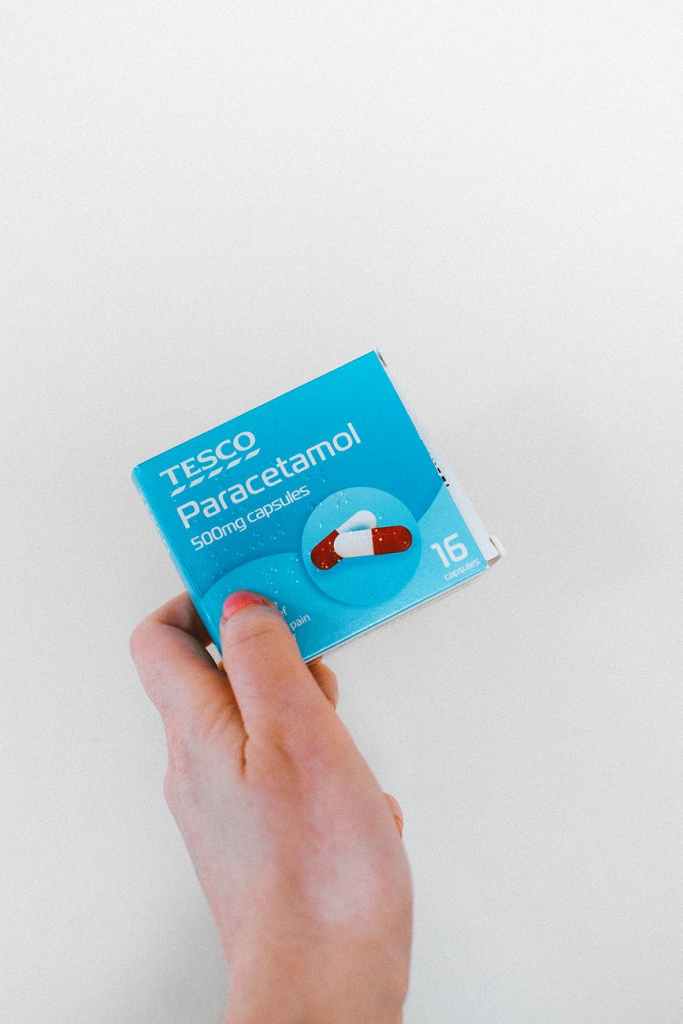
A Bit Of History
Paracetamol, when made into an edible form, has a rich history. This medicine was originally used to treat headaches and nervous stomachs. It was later found to be a great cure for gout and kidney stones. Today it is used to treat a number of painful conditions including severe inflammation or inflammation that is hard to control such as bronchitis and even irritable bowel syndrome. The clinical evidence clearly shows that the benefits are significantly greater than the risks, and paracetamol is therefore regarded as a treatment of choice by the health professional.
Paracetamol was discovered by a German professor in 1877. The American version came out in 1908. It is a painkiller that is used for acute pain in around 40 of every 100 patients who take it. This means that by taking it, you are risking a potentially serious mistake and drug dependency. Though the drug is highly effective in its pain-killing ability, it still has some significant downsides. In fact, studies show that of the patients who develop side effects, nearly 70% will become addicted to the drug in just one year. Thus making it an imperfect drug. According to studies, paracetamol may also have serious side effects such as a cardiovascular impairment or even damage the liver and kidneys.
The benefits of paracetamol as an analgesic medication has long been known to people of all age groups. The main treatment of pain is usually around, or just before the pain becomes unbearable. So people tend to take as much paracetamol as they can to deal with a minor pain. They hope to get a feeling back that they will not be so affected after a few hours after taking a small amount of paracetamol. The drug is used when the pain is present because it does not have any side effects and neither do they need to be taken for a long period. These medications can also be used as a curative or for managing muscle aches and muscle pains.
Paracetamol can be taken either orally or intravenously. The pill dissolves easily and passes through the stomach in just minutes. There are also a few pharmacies that sell these medicines without a prescription. Paracetamol is available in many different forms, including tablets, powders and liquid. The dosage depends on the condition you are suffering from.

A Word Of Caution
Paracetamol is not a drug, but rather a medication. Do not use it when you do not use it to get high, do not take too much of it, and do not overdose on it. It is a drug that kills nerve cells that help the body perform everyday functions, especially if taken in high doses. You only need a small amount of the medicine when you need it. Do not take more than your body needs in order to feel normal again.
In Conclusion
Whichever way you look at it, Paracetamol is one of the most useful and highly prescribed medicines worldwide. The success of any product is not only down to the chemistry of the medicine itself but also to how it gets to patients. It was reported in the UK that paracetamol has only been sold through a pharmacy, from 1908 until 2008 when it was licensed for prescription by the FDA. These days it is no longer exclusive to pharmacies but is sold over the counter in pharmacies all around the world. To be able to find the products of the leading brands, you don’t have to travel around the world to find the best quality in the UK or Europe, you can simply search the web.

 Amy's Thought Corner