Gastric bypass is a surgery procedure under the option of persons with morbid obesity. It’s a surgery to control obesity. It is regarded as one of the greatest medical advances in human history since the evolution of medicine.
Morbid obesity is when you are much bigger that your medicine decreases should you be able to carry on in your body with all the extra weight you carry. Scientific studies say that obese individuals are more prone to cardiovascular diseases; diabetes, cancer, arthritis, liver and gallbladder disease and often sleep 96 minutes to a month.
Although there are a number of diet plans, some restricts your food choices too much which results to your starvation; others don’t allow you to eat types of food you enjoy; they also limit your food options and the range of options you have. Especially the diet plans that deprive you of carbohydrates don’t work because your body needs carbohydrate. One component that your body totally depends on for energy is glucose.
There are two types of procedure related to gastric bypass operations: Roux-en-Y gastric bypass surgery and Biliopancreatic diversion with duodenal switch.
Roux-en-Y gastric bypass surgery: It is the most commonly performed weight loss surgery in the United States. It promotes both weight loss and health improvement since it improves the condition of your intestinal tract. By minimizing the quantity of food consumed theinduced change in caloric intake leads to dietary change in your body, and this forces the body to use the accumulated fat in your body through exercises and other working methods.
Biliopancreatic diversion with duodenal switch: This operation is more complicated and extensive in nature, and therefore is only performed on persons who are severely overweight. It helps with improving the condition of your digestive tract and hence improves health. The operation is also used to reduce fat. This is a complex operation and thus entails a great deal of care and patience. It is advised as the superior alternative for persons with BMI (Body Mass Index) of over 60.
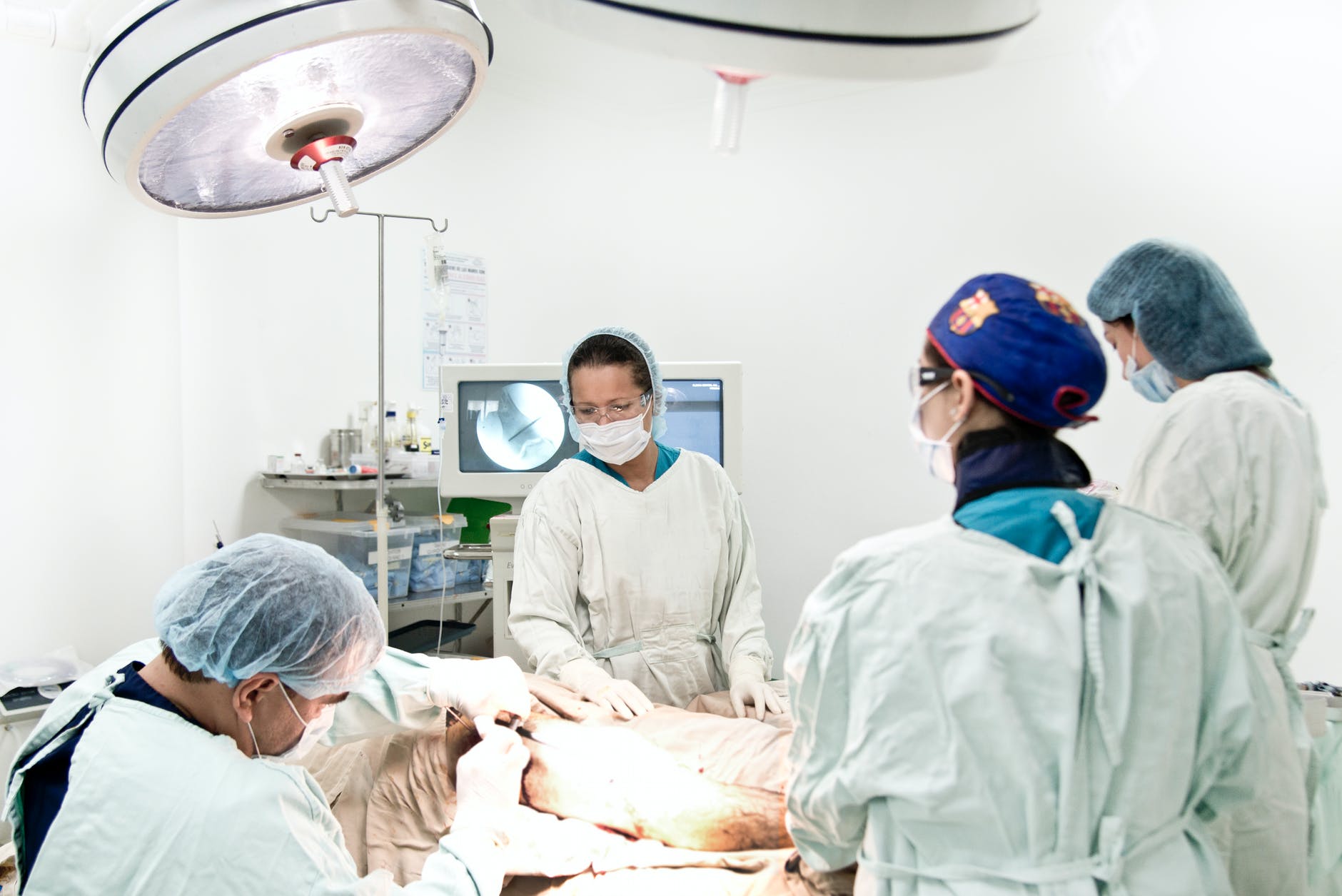
Post-operative results: You may lose up to 50% of your initial excess weight. In most cases, this may occurs in the first year after surgery. Most persons continue losing weight 12 months after surgery. Within 6 months to a year your body starts absorbing less fat and starts absorbing more glucose. It continues to lose the excess weight continuing towards a maximum loss in the last few months of the surgery.
There are no complications of Gastric bypass surgery and many people who have undergone this procedure continue to lead healthy live. The main guideline to be followed in order to fall in this group is to follow the advices stated by the doctor and also the dietary instructions given by the dietician.
Consumption of liquid diet – Followed by small-negative foods: When you are induced in as mush as possible liquids, you have to get up to 2 liters ofStock stipulated drink ve marijuana tea or any less clear fluid, then having only veggies or fruits allowed.You can mix veggies and healthy fruit juices together to make a nutritious drink.
Proper control of your food intake: Once induced, strictly follow your doctor’s advices stated in the leaflet of the prescription, take food supplements prescribed and only within limits.
The surgery is not for everyone, please get the details about medical history and abdominal search performed by the doctor.

 Amy's Thought Corner