Making soap at home has become more popular as people see the advantages of it over commercial soap. The main reason for this is it is free from harmful chemicals that are commonly found in commercial soaps. However, on the other hand, this could also be a way for you to save money because you would not need to buy the expensive glycerin that goes with commercial soap.
The best way to make soap at home is to use the melt and pour method. You can begin by preheating your soap base, while the pot is being filled. After they have been melted, you do not have to do anything but let them cool down and form the soap. You could also form it in other ways such as by using a Vit-inning Pyrex.
Once the soap has been formed, you have to run it through a soap Making Journal Test. The Journal Test involves running your homemade soap through a series of test until you learn how the ingredients interact with one another. In this way, you will learn if your homemade soap is functioning properly or not.
Then when you have verified that it is functioning properly, you could begin the melt and pour soap making procedure. The procedure involves pouring the soda into the glycerin container, refilling the container with glycerin and then letting it cool.
Although making soap at home is a risk free way to make soap, the one thing that you have to learn is how to make soap properly. This is so because there could be mistakes that would damage your soap, such as when mixing the lye and oils. You could also make the mistake of melting the oils too much.
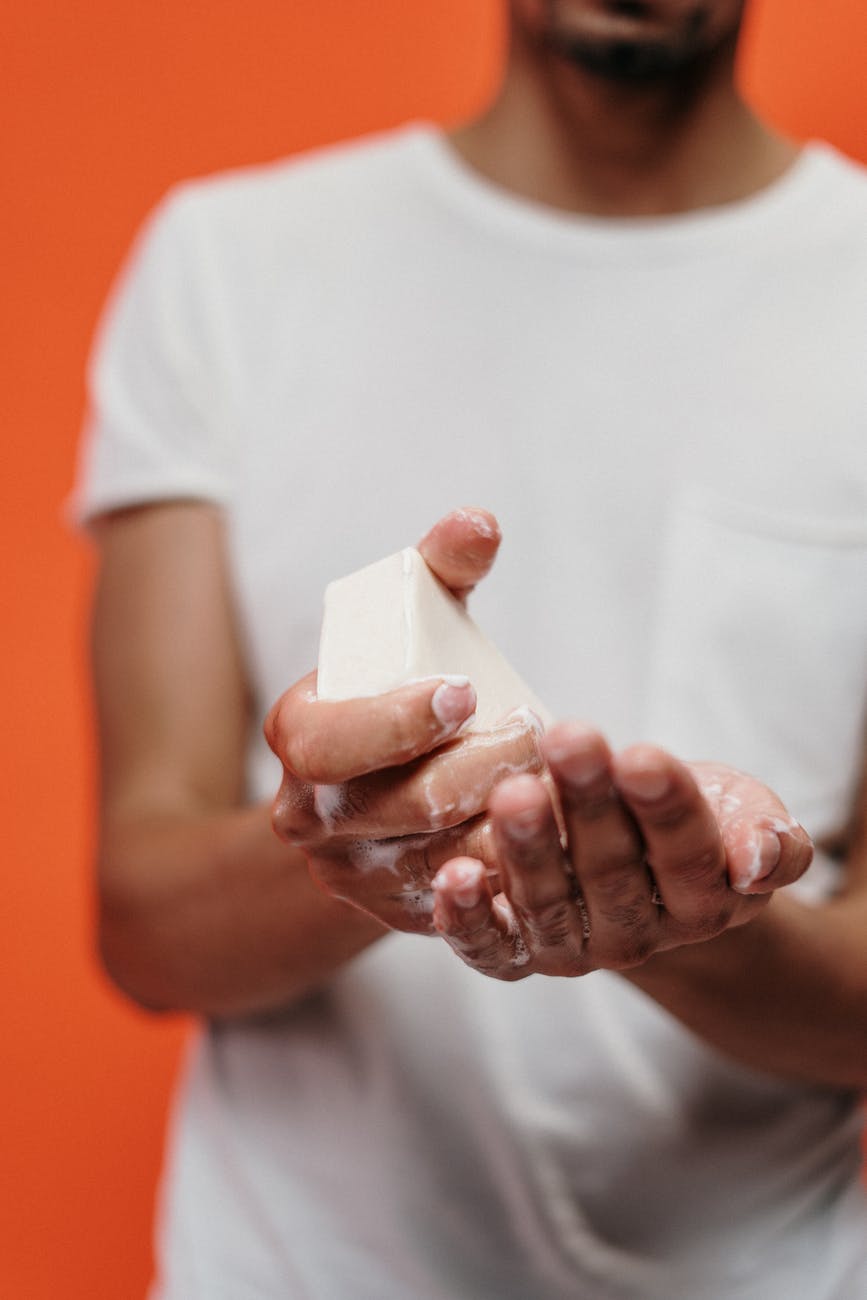
The best way to make soap would be through learning how to melt the oils and lye. Although there are plenty of instructions on how to do this, the best way to make soap would be to consult a soap maker. A professional will be able to help you with everything from how much soda to add to the melted oils, to how much oil to add to the water to make the soap.
When testing the melt and pour soap making methods, you are going to have to be patient. You will not be able to get the results you are hoping for immediately, but after a week or so of working with the soap, you will begin to get the kind of results you can only get from using a high quality homemade soap.
There are many benefits to using homemade soap, not just in terms of health. Those who decide to make their own soap are usually family of professionals, such as nurses and teachers. They want to improve their health and perhaps save money.
A major benefit of making your own soap is that you are guaranteed that the ingredients are fresh. This is usually not the case when you purchase commercial soaps. Usually commercial soaps contain a lot of chemicals that can be harmful to your family.
Another benefit of buying homemade soap is that you may be helping the local economy. By purchasing soap from smaller peddlers, you are helping localities that could not afford the raw ingredients to purchase a commercial brand. Quite often, these peddlers are smaller than the stores that usually offer high-end soaps.
Melt and pour soap making may seem like a good idea, but sometimes you may not have the ingredients available to make the soap. This may be the case if you are allergic to any of the edible ingredients in the raw materials. It may also be risky especially if you are new to the hobby. These are two reasons why you may want to avoid commercial soap making.
If you want to learn how to make soap, you can check out soap making blogs on social media. Many people are willing to share their soap making secrets. This is one of the best ways to learn how to make soap. You may also want to visit soap maker groups in your area. The good parts about soap making groups is that they can give you a lot of soap making tips and recipes. They usually will also give you some books that will help you Learn Soap Making.
 Amy's Thought Corner