Did you know that when you connect your laptop to a public wi-fi network, the same security measures that you normally take to protect your personal information also apply to the content you view on the target webpage you are surfing? No? You should take a closer look because the same measures that protect you from unwanted visitors to your webpage also protect you and your PC from hackers that are just waiting for the right moment to steal your personal information.
Keeping personal information secure while you are on the go is something that only a smart person would think of doing. But nowadays, with the way people surf the Internet 24/7, it is more important than ever to keepthem safe. With a few simple tricks and techniques, you can massively decrease your chances of becoming a victim of identity theft.
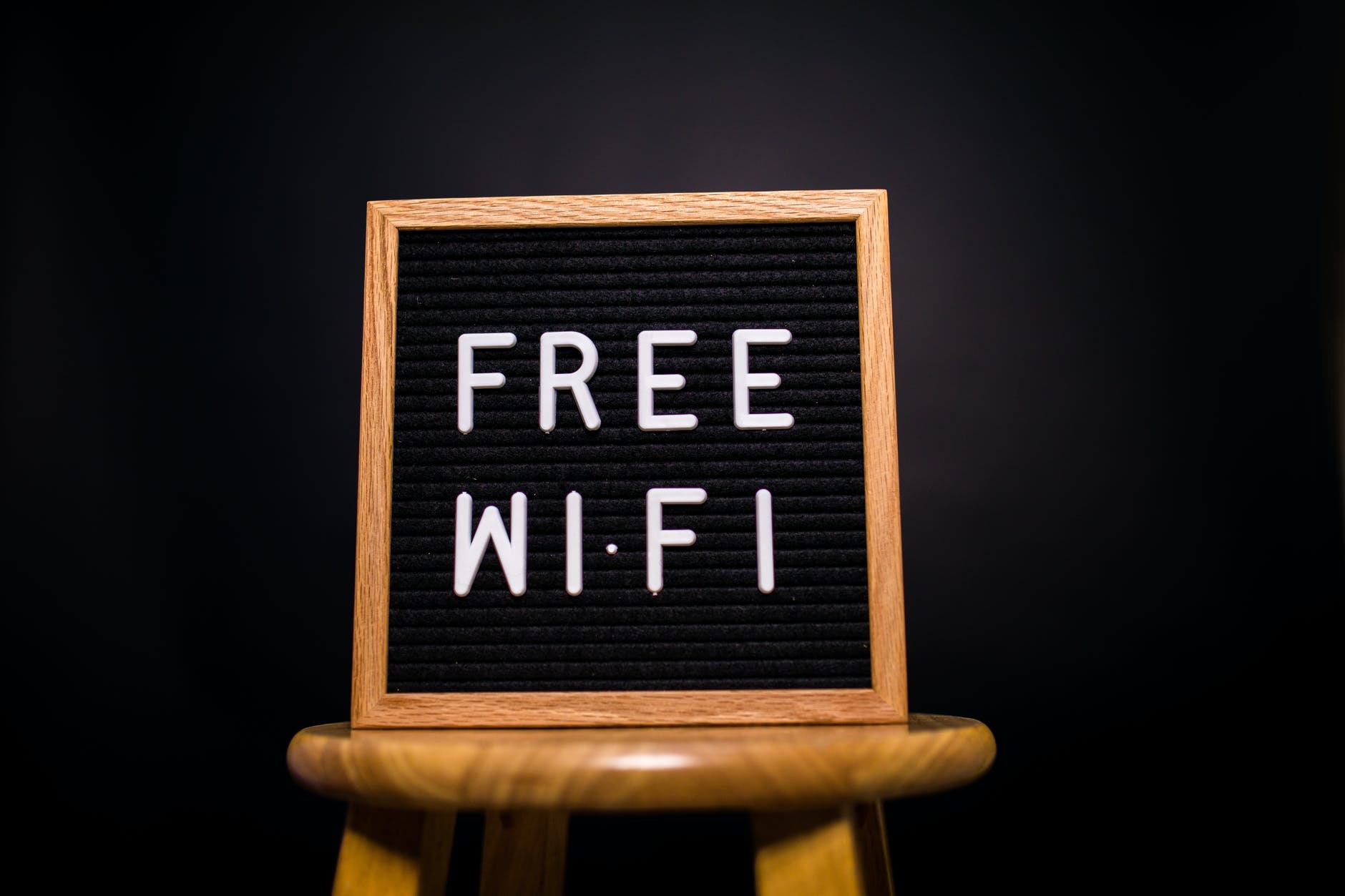
Should you consider implementing any of these suggestions yourself? Maybe, maybe not. But letting these security measures into your routine can prevent devastating losses later on. Don’t be tricked into thinking this is the only information that you need to keep personal. There is a lot more to your PC than meets the eye.
Think before you click.
When you visit a website, be sure to take a look at the privacy policy. Learn about the information the website is collecting. If you don’t understand the process, then you can ask the company for help. You may be asking for information that you can’t really give away, or you may be giving information that you shouldn’t have.
Scam websites are designed to take advantage of visitors who have lost confidence in online companies. This confidence can be easily won when a visitor enters your site without knowing that they are going to be subjected to a barrage of annoying advertisements and pop-ups.
Why do people fall victim to scams like this? Believe it or not, people are actually very touchy about having to give out information about themselves. If you make sure that your visitors feel safe and secure when they visit your site, they will definitely be back for more.
A few facts about identity theft:
• Contrary to popular belief, most identity theft cases actually aren’t committed by someone that knows the victim personally.
• 84% of identity theft victims had Recoverable Credit Cards as their main source of identity theft.
• Online dating sites are publicized with warning messages to avoid revealing too much personal information.
• Never give out your primary email address to anyone you meet in person without buying it from you.
• Just because they say they are researching a business doesn’t necessarily mean that they are researching it fully.
• Kids can easily be exposing themselves to too much personal information if they really want to you to visit their site.
• Adults performing background checks on kids online is tricky since the sites are usually not monitored.
• Vierose passwords are harder to crack than your usual combinations of letters and numbers.
It is important to make sure that kids follow the rules while they are online. Child safety on the Internet mainly relies on parental supervision. If you don’t keep watch on your kids, they can easily get into trouble without you knowing it.
Tracking of online activities is now becoming a major concern for parents. Before, parents only had to worry about questionable websites and activities that affected kid’s education.
Today, the Internet poses a serious threat to kids safety. According to the National Institute for Missing and Exploited Children, one in five children (ages 5 to 17) encounter sexual solicitation online. Other studies have revealed that one in seven children (ages 5 to 17) encounter inappropriate content on the Internet.
Chosen by millions of irritated parents, children frequently post inappropriate comments, pictures and emails. Some children also openly express their romantic affections for other (non-biological) people.
Children also use sites like myspace to spread harmful rumors about other youngsters and reveal their personal information for the wrong purposes. (I don’t include links to these sites in this article since they often include inappropriate content. For instance, some sites encourage people to meet up with their “companions” in person even after they’ve found out that they are, in fact, not in love. This is the kind of content that you would expose your children to if you let them surf the Internet on their own.)
Since there is so much unwanted attention that goes with the word “porn”, most kids prefer to hide this form of media. But, all is not lost. Since most people use the Internet on a regular basis, there are still ways for your children to absorbed the dangers of lurking on the Web. Most kids can be bothered by this form of media, which is why you should still encourage them to safeguard themselves while online.
Set the Rules
Before your children get online, you might want to set some rules to guide how they use the Internet. Best still, set a content lock.

 Amy's Thought Corner