It’s no secret that a majority of adults are overweight. A mornings fill of coffee, donuts and vending machine snacks often lead to more thirst and less exercise. Couple this with an evening full of eating out of the garden, the supermarket and the drive through, and you’re packing on the pounds.
With changes to everyday life and society in general, fast food etc, obesity, in the past few decades began to creep out of the blue:
Grocery Shopping: The supermarket just isn’t the place where people find health-promoting or diet-promoting foods. Because of the large size of grocery shelves and the long lines often found in check out lines, pick up and eating out can become a real problem.
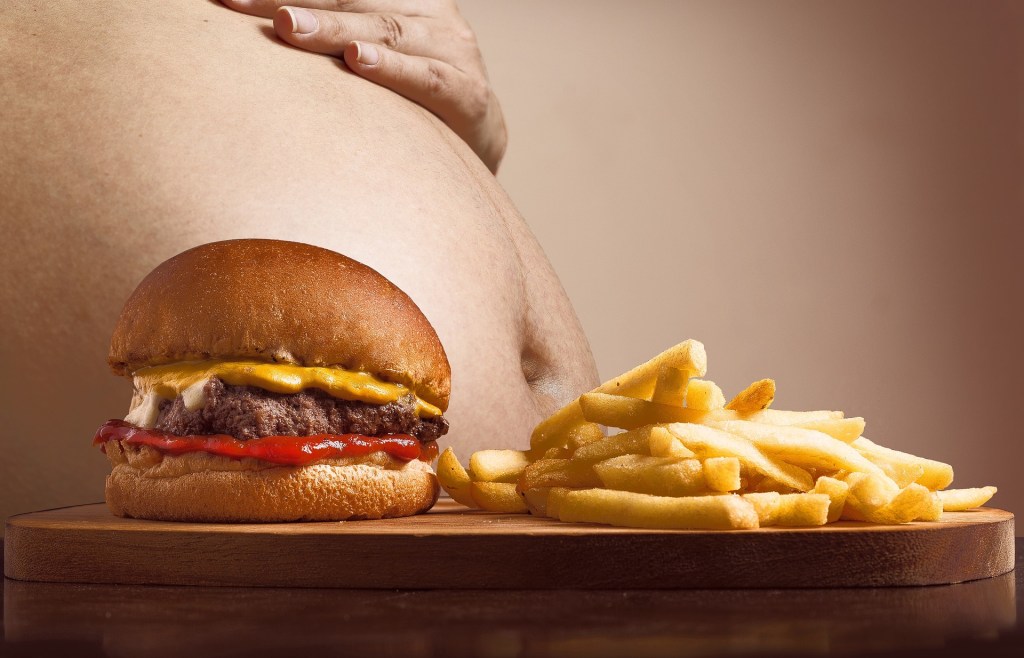
Social trends: The increase of weight-related issues due to the rise in obesity rates are generally related to social trends in society. For example, the rise of obesity in precipitously increased issues like smoking in the mainstream population. A by product of this situation was the growth of the fast food market, which brought more poor choices to people.
Dining Out : The increasing popularity of restaurants in non-metric scales is gaining more press coverage. Served in bulk in bigger cities, overweight people often spend huge portions of their food money dining in one evening.
Exercise: Fitness is factor to consider for weight loss. But with our more sedentary lifestyles, and easy access to low-nutrition snack foods, the results of inactivity have become associated with an increased risk of obesity.
Health – Drinks: When it comes to soda, often the healthier beverages are those with added sugar or artificial sweetener. These calories are often empty, and will not be beast immediately felt by the body. This can have the effect of leading to increased cravings or eating unhealthy foods when one real need of the body is met.
Leptin is a hormone found naturally in the body and can be secreted by the fat tissue to control the body’s hunger. However, sometimes these hormones can become dysfunctional. Cravings can increase, as drunk, speak for some individuals, controls living performance, attention span, moods and the ability to be relaxed and focused. Maybe even some individuals that feel they are stressed may eat, thinking it will invest some relief.
We also eat for a lot of reasons and not just because we are hungry: wanting to be social, because the food is especially tasty, because it’s their mother’s special day, or because a spouse order a steak dinner. Regardless of the reason, a lot of the calories we consume could not be burned. They are either sent straight to various parts of the body or they are metabolized and will leave us feeling even hungrier, thirsty, and tired.
This is the easiest example for why weight loss is so difficult. Basically all we are doing is fooling ourselves. We’re not stopping the act of eating because we’re hungry, but because the body is asking for certain things. It is these more complex cravings that will derail the momentary efforts we make to lose weight. Fast food and deep fried foods are the featured cravings.
This is the easiest way to explain why weight loss is so difficult for those individuals struggling with their weight. It is the cravings for these foods that will derail the efforts. We all know of millions of individuals battling with weight issues and body weight issues and for most they tried everything. From diet pills, health food, they spend thousands, hundreds of dollars and more on the newest stride in weight loss program and then the scale still swings. The pounds may come off, temporarily but the pounds come back. Because there are consistent movements of the body, even if the weight stays lowered for a while, the body will lose weight only temporarily. The weight comes back with a vengeance and with it the guilt, frustration and the desire to need again to lose that weight.
According to the Centers for Disease Control, research has shown that this extra weight is associated not only with increased health risk on the cardiovascular, alignments pain to musculoskeletal problems, like arthritis and back problems and so forth, but also with diabetes, cancer, and several other illnesses. Without the body weight being normal, they are loaded with added risk. So the question that drives people to search for solutions is how to lose weight.
The solution? Ultimately, we are overweight because we haven’t been giving our bodies what they need. We know where most of our calories come from or what we usually eat. This knowledge can make us conscious of the foods we eat. We can then make due with the foods that we have been eating. It’s an emotional solution. The solution to weight loss is an emotional, psychological, biological, informational problem.

 Amy's Thought Corner